Farming has always been at the heart of the countryside, but for many landowners, relying on traditional agriculture alone is no longer sustainable. Falling subsidies, unpredictable weather, and fluctuating market prices have put pressure on rural incomes — which is why more and more farmers are looking at glamping and holiday lets as a reliable way to diversify their land.
By turning unused or underutilised plots into a small-scale lodge park, farmers can create a steady, long-term income stream that works alongside their existing agricultural business. Unlike seasonal crops or livestock, holiday rentals generate revenue all year round and attract a different audience — tourists looking for unique countryside escapes.
Benefits of Diversification Into Glamping
Consistent Year-Round Income Lodges can generate bookings in every season, with hot tubs and insulated builds attracting winter guests as much as summer travellers.
Boost the Value of Your Land Well-designed lodges and access infrastructure add permanent value to farmland, improving both rental yield and overall asset worth.
Low Maintenance Compared to Farming Once installed, lodges require minimal upkeep compared to the daily work of crops or livestock.
Attract Rural Tourism Spend Guests bring money into the local economy, supporting farm shops, pubs, and attractions — strengthening rural communities.
Secure the Future of Your Farm Diversifying income creates stability for future generations, giving families more financial security while keeping land in productive use.
Wellington Farm, Cumbria
Background: Wellington Farm is a traditional, family-run farm on the edge of the Lake District. Well known for its farm shop and café, it already attracted a steady flow of visitors. However, like many farms, the family wanted to find new ways of securing a stable income for the future while making better use of their land. Glamping was the perfect fit.
The Project
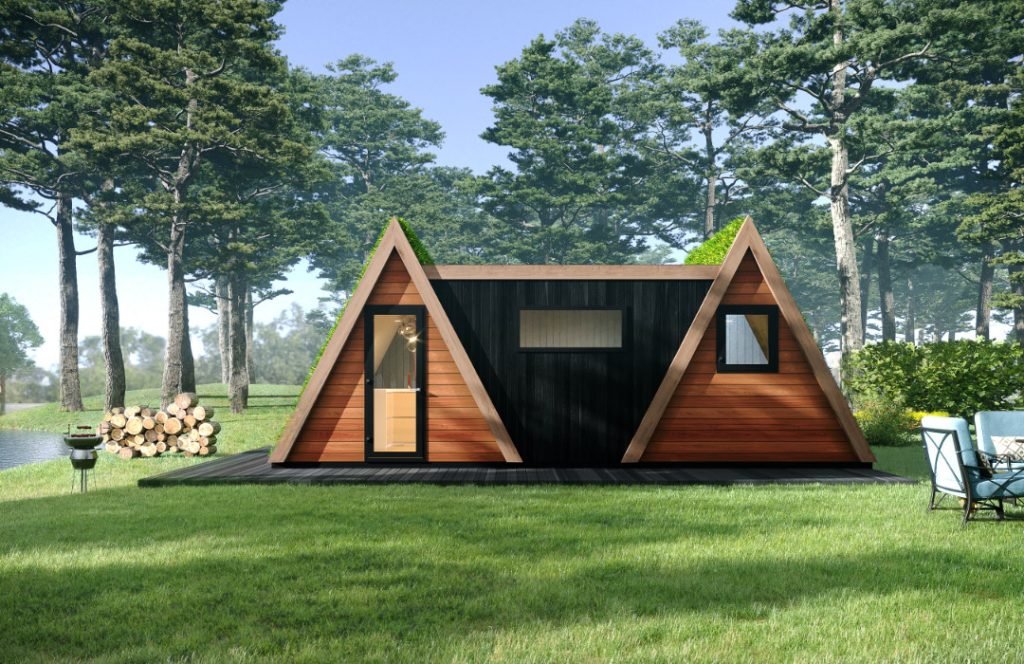
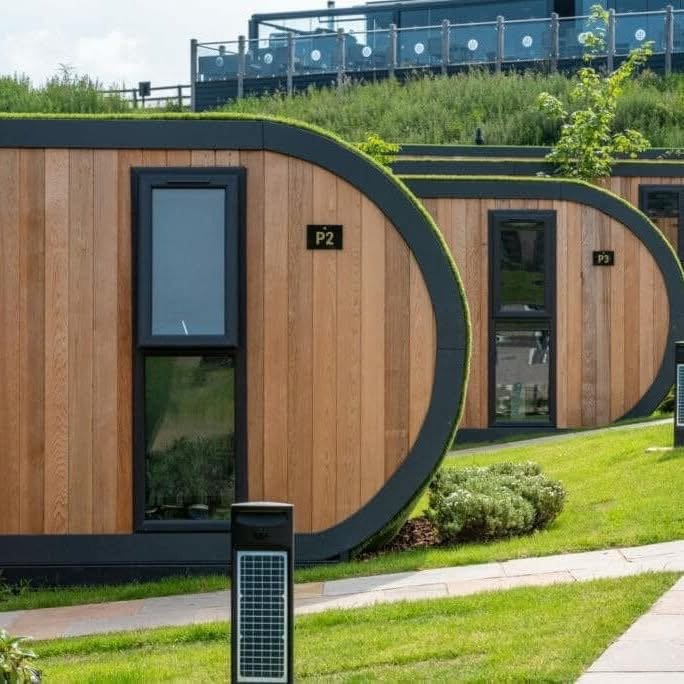
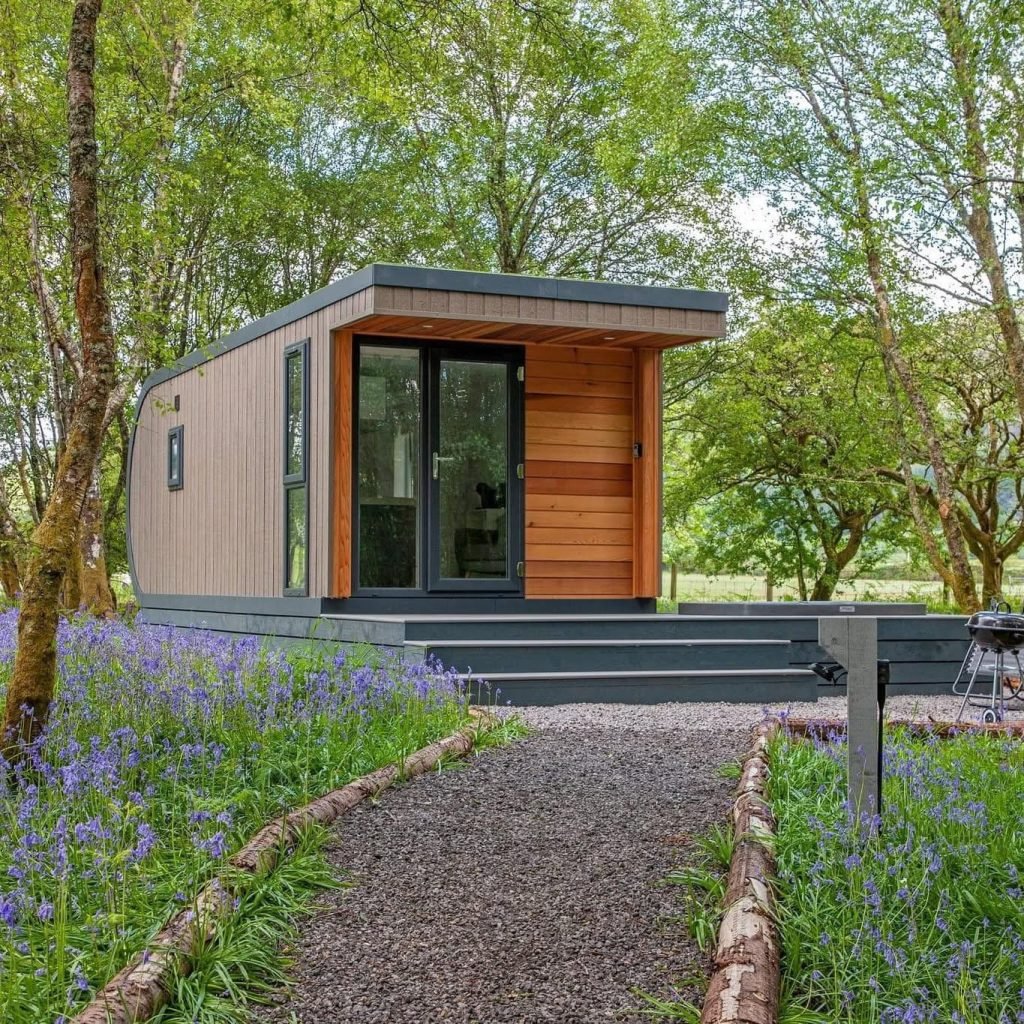
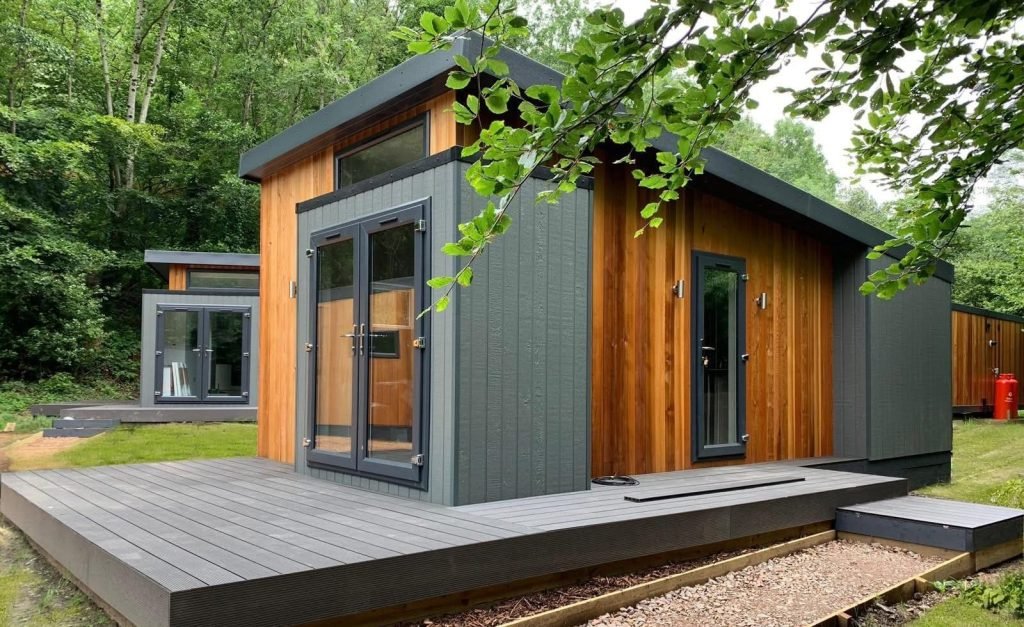
The family invested in 6 luxury glamping pods, each finished to a high standard with en-suite facilities.
To add a premium edge, several pods were fitted with private hot tubs — a feature that has proven extremely popular with couples and families alike.
The location itself was a strong advantage: sweeping countryside views combined with easy access to popular Lake District attractions.
The Results
Within the first 18 months, the pods consistently achieved around 80% occupancy, far exceeding expectations.
The glamping pods quickly became a highly profitable new revenue stream, sitting neatly alongside the farm shop and café.
Guest reviews praised the pods for their comfort, luxury finishes, and the “farm experience” of being able to enjoy fresh ice cream, animals, and homemade produce on site.
Why It Worked
Tourist hotspot: Being close to the Lake District brought a constant flow of holidaymakers.
High-spec lodges: Year-round insulated pods ensured winter bookings as well as peak summer demand.
Added value for visitors: Guests loved the combination of modern luxury with the authentic farm setting — a mix that kept bookings strong even outside traditional holiday seasons.
Takeaway for Landowners Wellington Farm shows how glamping can be more than just an add-on — it can become a core part of a farm’s financial future, providing reliable income, attracting new visitors, and strengthening the long-term security of the family business.
Background Bradley Hall is a mixed family farm near Frodsham in Cheshire. Like many farmers, the owners were looking for ways to safeguard the future of the business and reduce reliance on fluctuating farm income. They wanted a solution that would make use of land that wasn’t suited to arable or livestock production, while also tapping into the growing UK staycation market.
The Project
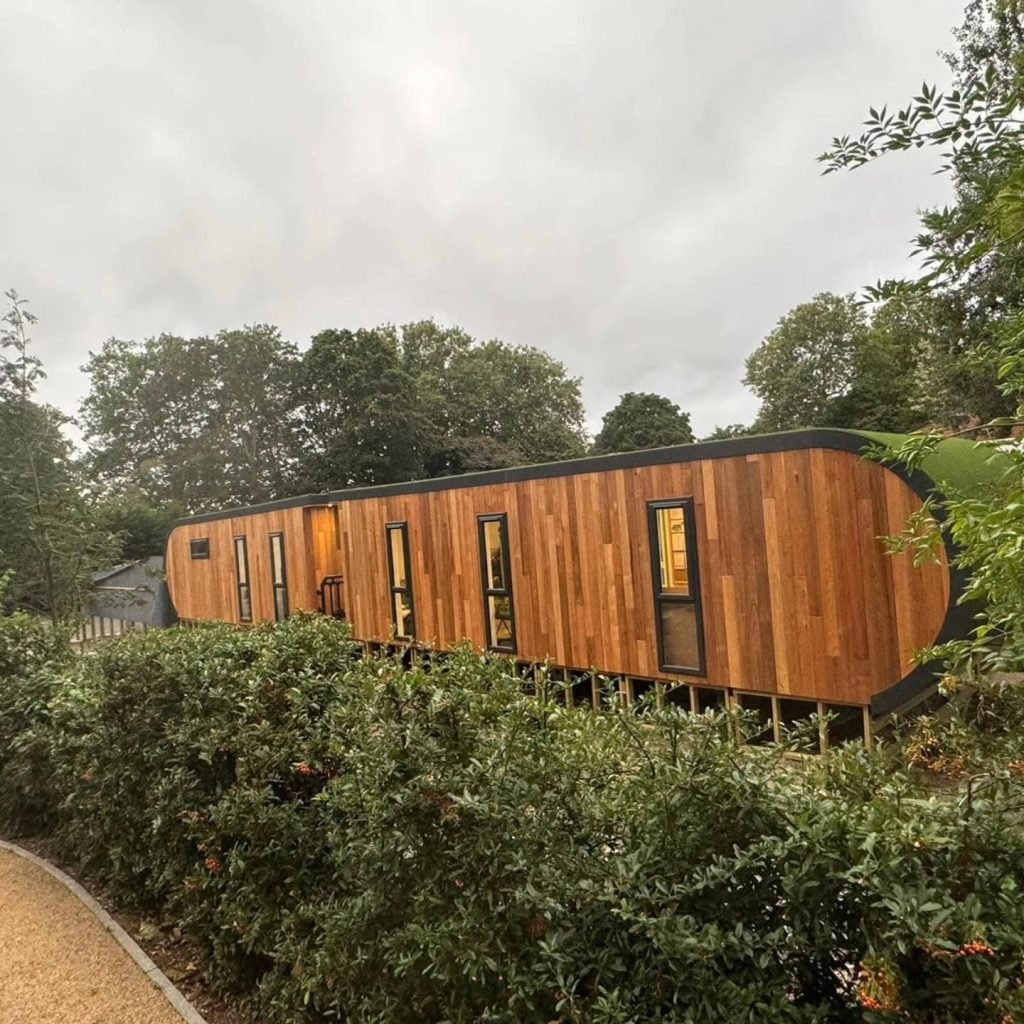
The family decided to install 4 high-quality glamping pods on a quiet, underused area of their land.
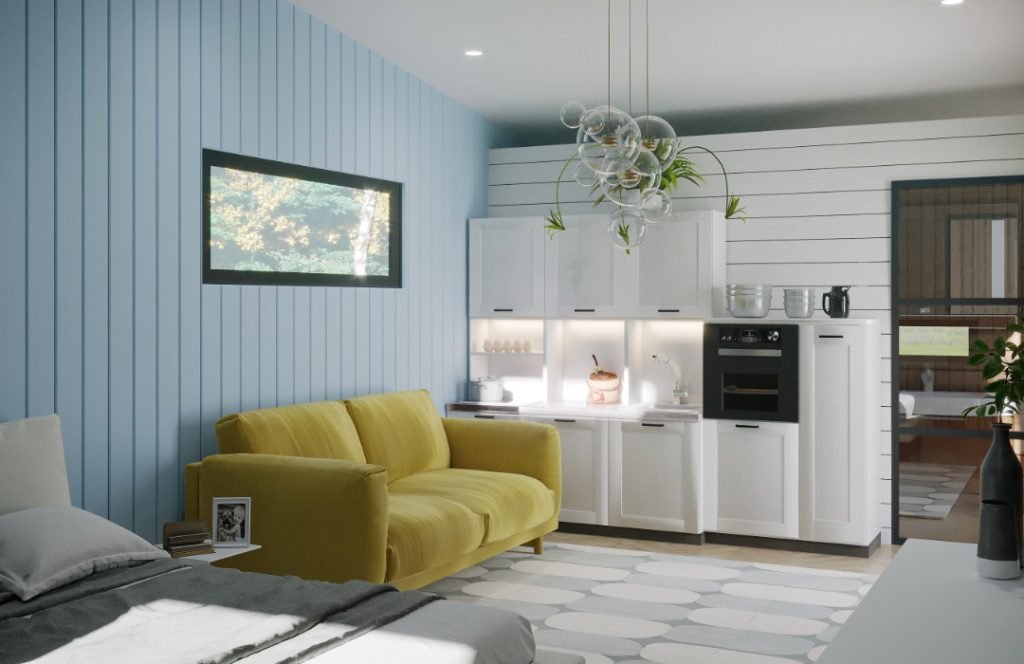
Each pod was designed to be comfortable, insulated, and attractive to holidaymakers looking for a countryside escape.
To help with upfront costs, they successfully applied for a LEADER rural development grant, making the investment more affordable.
The site was designed to blend into the natural surroundings, giving it a rustic charm that appealed to eco-conscious travellers.
The Results
The pods enjoyed strong booking levels right from launch, with weekends quickly selling out through popular booking platforms.
Income from the pods provided a significant new revenue stream, helping to secure the farm’s financial stability.
Demand was so strong that the family are now planning to expand with more pods, confident in the proven earning potential.
Guests particularly praised the peaceful location, scenic views, and the “hidden gem” feel of the site.
Why It Worked
Funding support: Using a grant reduced financial risk and sped up the return on investment.
Accessibility: Cheshire’s location, close to Manchester and Liverpool, ensured a steady flow of weekend visitors.
Smart marketing: Partnering with established booking channels brought immediate visibility and helped secure a loyal customer base.